Essay8 min read
Second Wind: Art as a Way to Transform the World’s Forgotten Corners
Why do some neighborhoods remain in decline and eventually fade away, while others are renewed and reborn with new strength? Abandoned factories, disadvantaged districts, neglected urban spaces — such places exist everywhere. But how exactly does art turn blank walls into galleries, and ruins into stages for new stories?
The transformation of urban voids is not only about aesthetics, but about power, economics, and new meanings. Art becomes the catalyst that can breathe life into dead zones — not decoratively, but systemically.
Let us examine how artistic projects inspire the transformation of forgotten districts — from derelict sites in Manhattan to an industrial town in the Nizhny Novgorod region. Can even the most lost place receive a second wind and become a symbol of new opportunities?
The Power of Art and Architecture in the Birth of Urban Identity
Art and architecture play a key role in transforming urban spaces, because they can create an emotional attachment of residents and tourists to a place. By obtaining their unique marker through artistic and architectural projects, territories become special in their own way — they cease to be “no man’s land.”
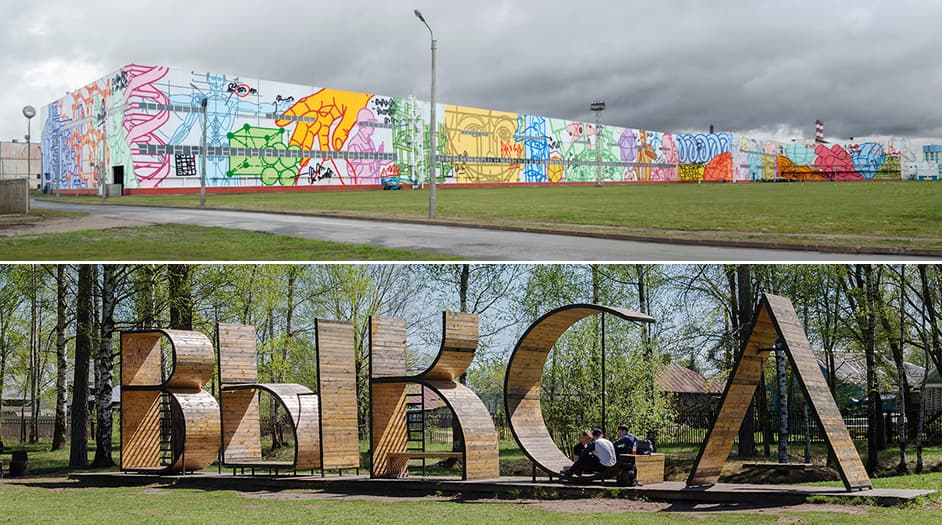
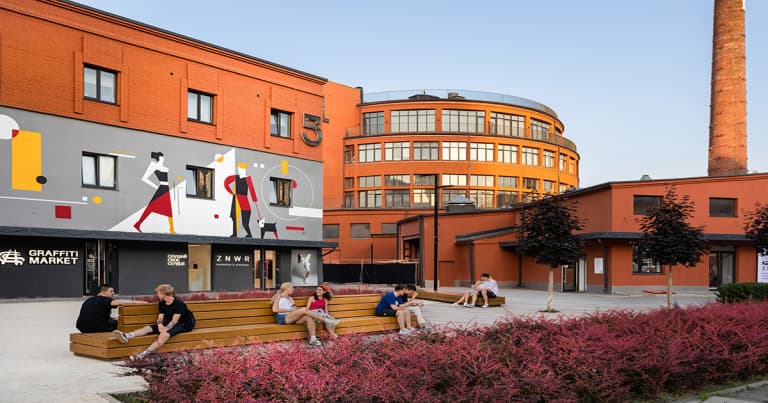
For instance: the emergence of street galleries (as in Wynwood Walls in Miami), the repurposing of industrial buildings into cultural clusters (as in Moscow’s Bread Factory No. 9), or turning facades into art objects within the framework of the “Vyksa” festival — all of these help territories acquire a new visual and semantic code. A sense of belonging and connection with the place emerges — genuine identity makes it more attractive and meaningful to people.
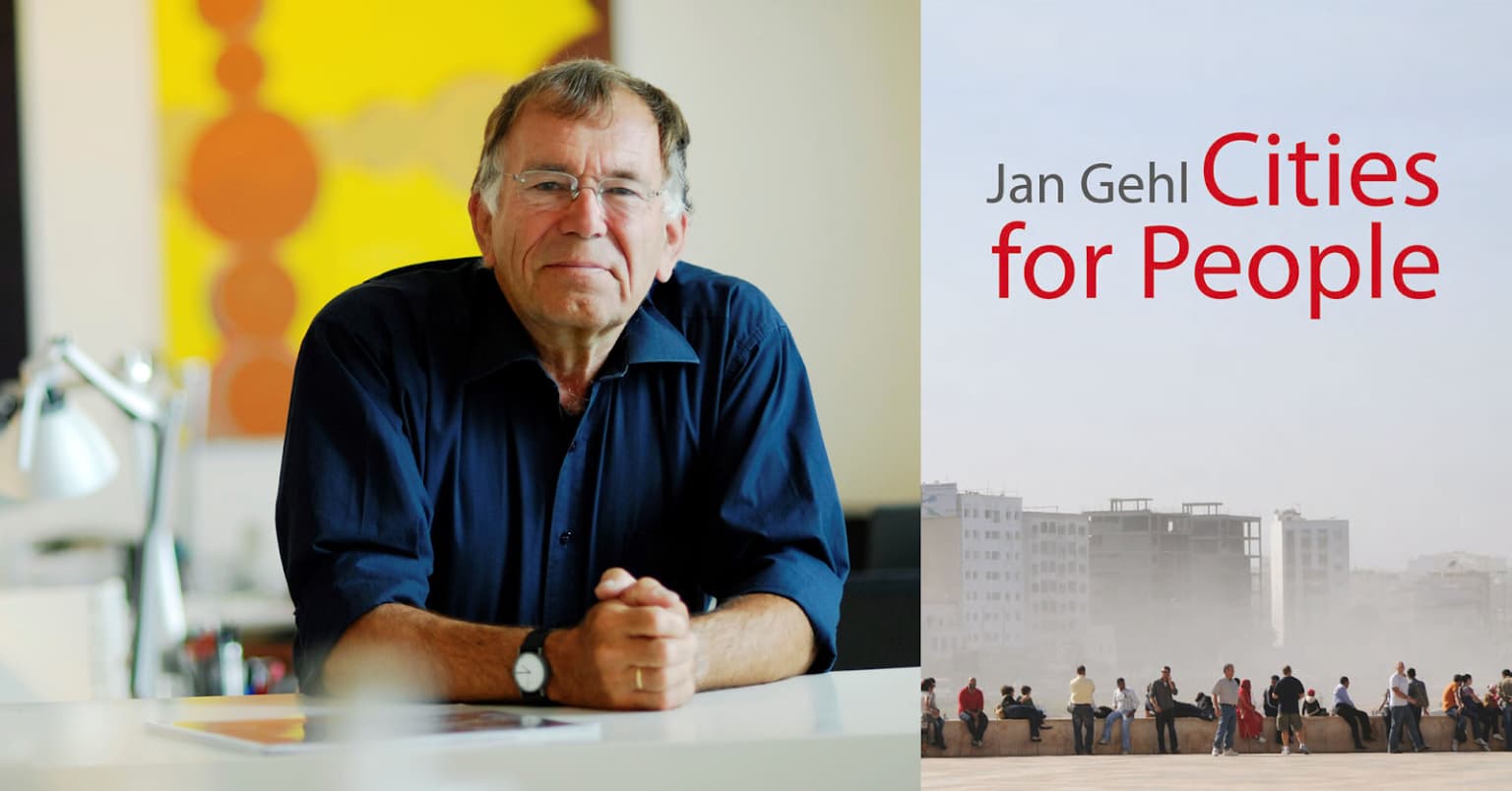
In this context, Jan Gehl’s theory of “cities for people” underscores the importance of human input into infrastructure and sharply contrasts with modernist theories of the last century, especially with the Soviet experience of mass construction where a house was perceived as a faceless cell of a mechanism. The motto “better, faster, cheaper” did not involve discussions about what people really want. In making decisions, designers did not ask whether living in those homes, raising children, or growing old there would actually be comfortable.
In trying to fit everything into one template, the human being was left behind. Gehl, on the other hand, claims: the city does not begin with buildings, but with life between them. For space to become alive, it must first of all be a place for interaction, communication, the presence of people. Art in this sense is a connecting link, giving the place a soul and uniqueness.
Examples like the festival in Vyksa demonstrate how such projects shape space in which people live and simultaneously actively take part in the process of the city’s changes, feeling their bond with it.
Moreover, speaking not only about feelings, such large-scale transformations inevitably influence the economy. Art, when embedded into the urban environment via street exhibitions, art galleries, festivals, and public projects, acts like a magnet, attracting the attention of citizens and the media, generating a strong flow of interest. The increase in cultural events activates public engagement, which leads to elevated tourism flow and the emergence of new businesses.
Such growing demand inevitably ensures increased real estate prices. In this way, these changes contribute to better infrastructure in the area and provide the neighborhood with a different impulse for prosperity.
Perhaps the most compelling evidence of the transformational potential of art is told by real stories of cities. What happens to a space when it begins to be perceived not as a remnant of the past, but as a platform for the future?
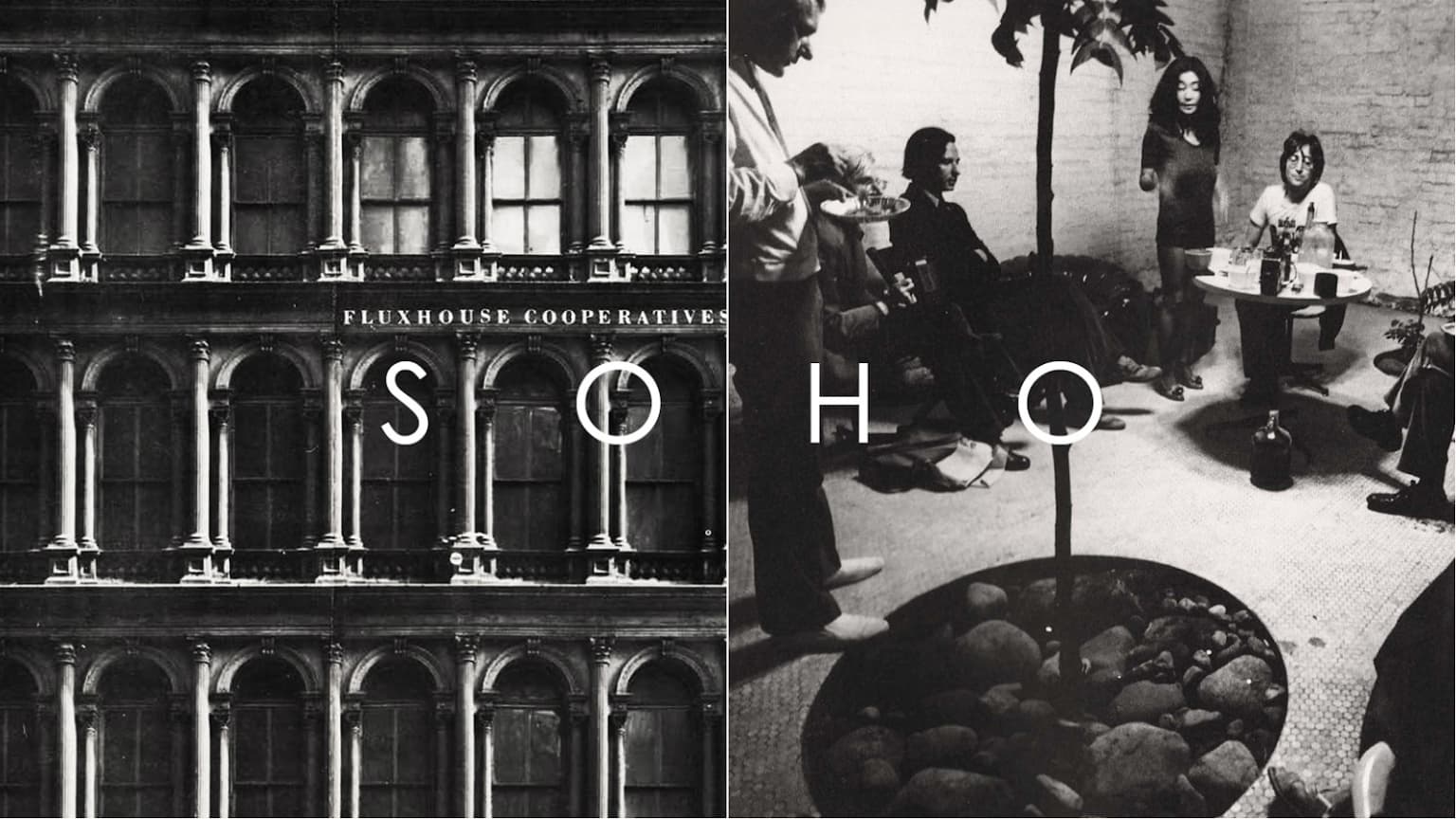
One of the brightest examples of such metamorphosis is the SoHo district in Manhattan, New York. Once industrial and abandoned, it was transformed into a center of avant-garde art through artists’ efforts. George Maciunas, founder of the Fluxus movement, together with early investors, purchased a building and turned it into an art cooperative, where artists could simultaneously live and work, renting lofts at low cost.
By the 1980s, 17 buildings had been acquired, which became hubs of creativity and cultural activity. The development of the idea was aided by the developer and art enthusiast Tony Goldman, who invested in renovation and turned SoHo into a thriving modern art district, famous for its galleries and attracting artists.
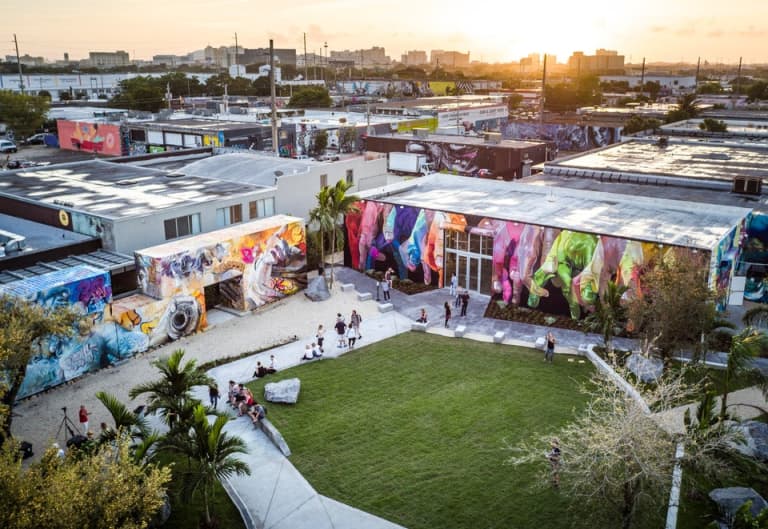
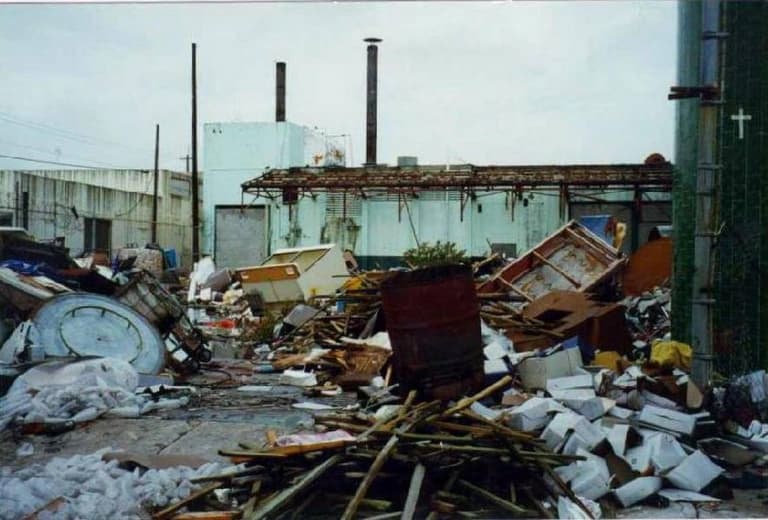
A similar story took place with Goldman when he turned his attention to Miami’s Wynwood district, which later became one of the city’s main art attractions through the “Wynwood Walls” project, in which street artists from all over the world turned dull facades into an open gallery. Concrete walls became a platform for self-expression, where diverse styles and approaches to creativity reflect the richness and multifaceted nature of contemporary street art.
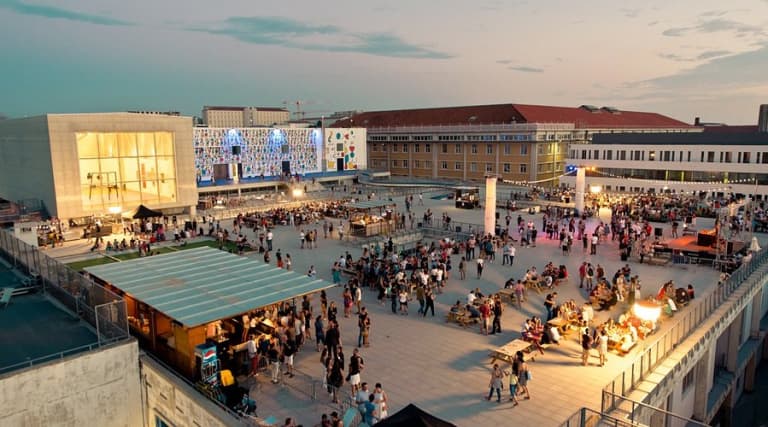
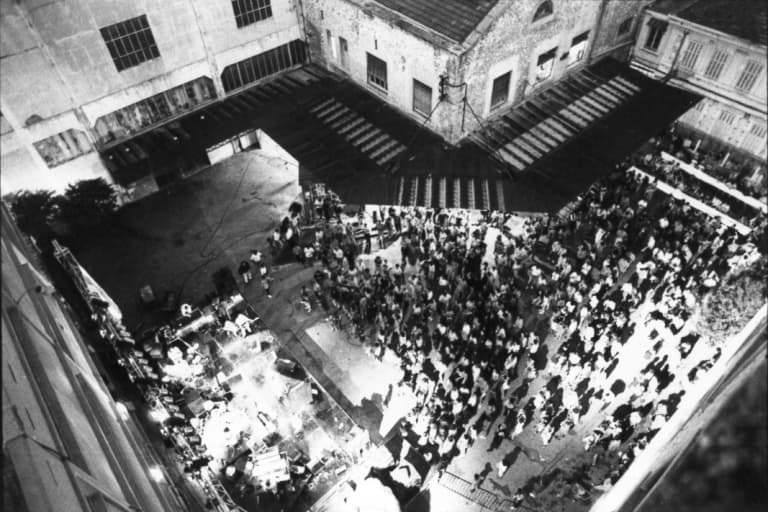
Another path of reinvention is the transformation of industrial heritage into cultural magnets. In Marseille, for example, a former tobacco factory became the art cluster La Friche la Belle de Mai — today it is a multidisciplinary space with exhibitions, workshops, concerts, and educational programs, which has become a true magnet both for locals and tourists. Thanks to the number and diversity of premises, La Friche gives artists working spaces, allowing many projects to be developed simultaneously.
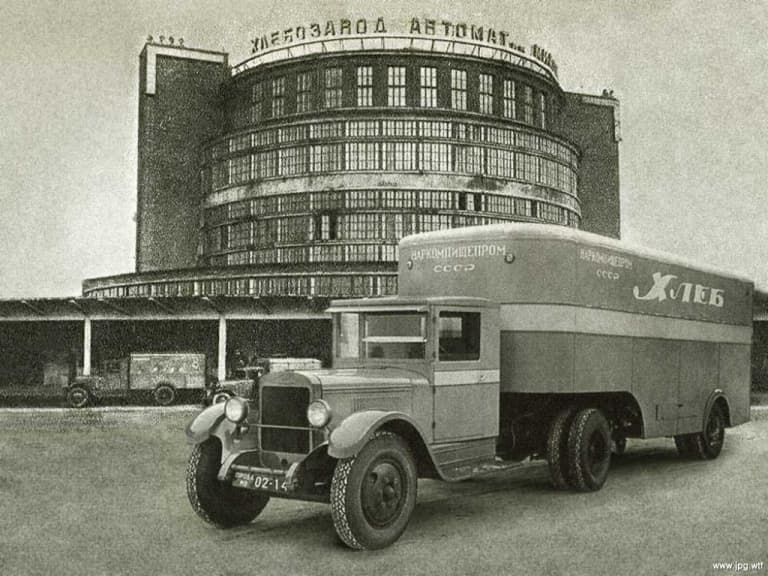
In Russia, industrial legacy is also taking on new shape. Moscow’s Bread Factory No. 9 and Saint Petersburg’s Levashovsky Bread Factory went from semi-ruined closed workshops to lively urban cultural spaces. In places where tons of flour used to be stored and thousands of loaves baked, today exhibitions open, festivals take place, independent brand fairs and film screenings are held. Their new life represents a full reboot of urban identity: the industrial past turns into the foundation of the cultural future.
The transformation is not only happening in capitals, but also in the hinterlands of the country. The story of Vyksa — a small town in the Nizhny Novgorod region — is a vivid proof that even the most “factory-like” town can gain a cultural renaissance. This metallurgical center lived for decades under the burden of industry. Boredom and monotony of daily life began to evoke rejection among the townspeople. However, everything changed when in 2011 the “Vyksa Festival” appeared, which later turned out to be the beginning of a new era. Today, Vyksa is both metal and pipes, contemporary art, and a community that believes in the power of artistic expression. Creative people from all over the country come here to leave their mark and insert themselves into the city’s history.
In all these projects art ceases to be something separate: it engages, transforms, initiates change — from the image of the territory to the strategy of its future.
What began as artistic experiments and bold initiatives has today turned into full-fledged economic mechanisms. The cultural projects mentioned have long outgrown the usual scope of art venues and have become the driving force of urban development.
Thus, since 2013, tourism in Wynwood has grown by 2,400% — from 600,000 to 15 million visitors per year. Today it is more than an art quarter: it is one of Miami’s largest tax contributors.
In New York’s SoHo, with growing popularity and the influx of galleries, cafés, and investments, the real estate market soared: as of February 2025, the average housing price reached $2.9 million, having increased by nearly 24% over the year. Lofts where artists once lived now cost millions.
Even in small towns like Vyksa, cultural festivals become a springboard for the local economy. In 2023 the festival was attended by over 35,000 people—more than half the town’s entire population.
Art has become a long-term investment providing returns.
Conditions for Successful Transformation
People are key to genuine urban transformations. The atmosphere of a place is formed not so much by concrete and bricks as by participation, initiative, and attention to the surroundings. When the residents share their experience and fill the space with personal meaning, it acquires a living, emotional depth.
No less significant is openness from authorities and sustainable partnership between the cultural and economic spheres. Because behind the bright facades lie complex processes — from creative and community discussions to attracting investments and building a long-term strategy. Therefore, for an initiative not to remain a one-time action, it requires a clear vision, financial base, and support at the city level.
Financial support can take different forms: from developers’ investments, as was the case with Tony Goldman in SoHo and Wynwood, to grants from cultural foundations or corporate sponsorship (for example, in Vyksa, where the main sponsor is OMK — the United Metallurgical Company). Engagement in culture ceases to be a formality and becomes a living foundation on which business sets its future.
Artistic projects wake a space, making it play with new colors and attracting those who are ready to become part of change. For investors and developers, this is not simply a rise in real estate prices — it is the creation of a pulsating organism that grows and develops together with people. Investments in art increase the value of the territory and ensure sustainable profit in the following stages of its transformation.
No less important is the role of city institutions. If the “top” does not put sticks in the wheels, but is ready for dialogue and creates favorable conditions, then projects develop more easily and sustainably.
Thus, success of such initiatives is a synergy: a union of creative professionals, active citizens, responsible business, and flexible authorities. Then an idea ceases to be a temporary surge and becomes the new reality of a place.
New Life for Old Places?
Global examples show: if artists, architects, and residents are given the opportunity to act together, even the grayest corner can gain its cultural renaissance. Transforming abandoned or depressed districts through art is a unique opportunity to rewrite the urban story, give it new breath, and inspire toward the future.
But inspiration alone is not enough. Without strategic support, clear urban policy, and a sustainable economic model, any “miracle transformation” may turn into a fleeting flash.
Today the main challenge is to breathe life into space — and keep its breath.